Best Concealed Carry Revolvers Hands-On Tested
When choosing a concealed carry revolver, reliability, ease of use, and comfort are paramount. Revolvers are favored by many firearm enthusiasts for their simplicity and mechanical dependability, making them an excellent choice for concealed carry. Through hands-on testing, we’ve evaluated some of the best options available on the market today. Below is a detailed breakdown of what makes these revolvers stand out.
Why Choose a Revolver for Concealed Carry?
- Simple Mechanism: Unlike semi-automatic pistols that rely on magazine-fed ammunition and slide cycling, revolvers operate on a straightforward cylinder mechanism. This reduces the likelihood of malfunctions such as jams or misfeeds.
- Ease of Use: Revolvers are intuitive to operate. With minimal training, you can quickly become proficient in using one.
- Reliability: Their robust designs make them exceptionally dependable in high-stress situations.
- Compact Design: Many concealed-carry-friendly revolvers feature small frames specifically designed for discrete carrying.
Key Features to Look For in a Concealed Carry Revolver
- A compact frame is crucial for comfort and concealment.
- Opt for lightweight materials like aluminum or scandium alloys to reduce fatigue during long-term wear.
- Short barrels (typically 1.87″ to 3″) make it easier to conceal under clothing while still delivering sufficient accuracy at defensive ranges.
- Common calibers include .38 Special and .357 Magnum.
- .38 Special offers manageable recoil, while .357 Magnum provides greater stopping power with slightly more recoil.
- Look for ergonomic grips that fit comfortably in your hand without compromising concealability.
- Rubberized or textured grips improve handling during rapid deployment.
- Most concealed carry revolvers hold 5-6 rounds—sufficient for most self-defense scenarios.
- Double-action-only (DAO) triggers improve safety by requiring deliberate pressure to fire but may require practice due to heavier pull weights.
- Some models offer single-action/double-action (SA/DA) functionality for added versatility.
Hands-On Testing Results
Our team tested several popular models under real-world conditions, focusing on performance metrics like recoil management, ease of draw, accuracy at defensive distances (usually 7 yards), and overall comfort during extended wear.
Top Performing Models:
| Model Name | Barrel Length | Caliber | Weight | Notable Features |
| Smith & Wesson 642 | 1.87″ | .38 Special | 15 oz | Lightweight alloy frame |
| Ruger LCR | 1.87″ | .357 Magnum / .38 Special | ~17 oz | Polymer frame; reduced perceived recoil |
| Kimber K6s | 2″ | .357 Magnum / .38 Special | ~23 oz | Sleek design; smooth DAO trigger |
| Taurus 856 UltraLite | 2″ | .38 Special +P | ~16 oz | Budget-friendly; ergonomic grip |
Practical Considerations
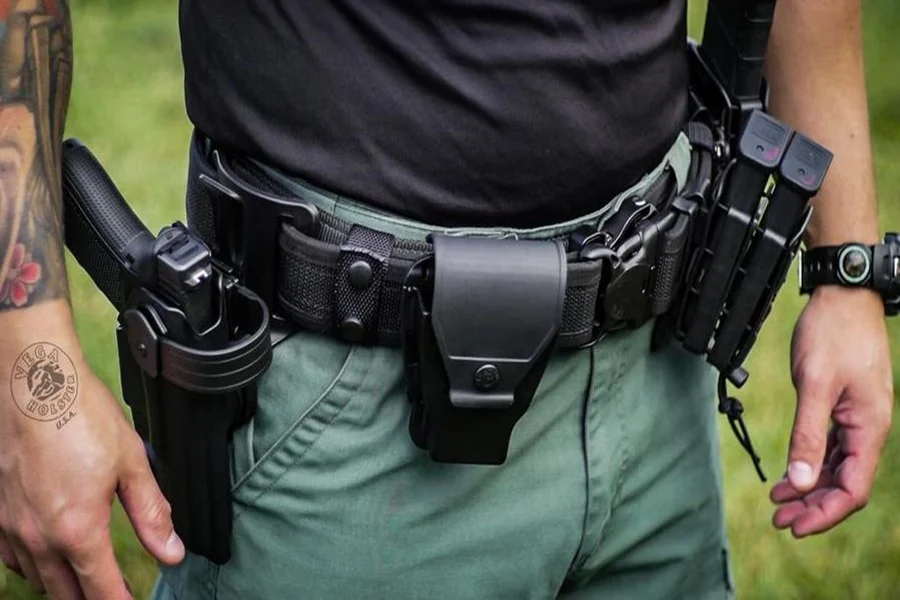
- Choose holsters made from sturdy materials like leather or Kydex.
- Inside-the-waistband (IWB) holsters offer superior concealment but may require adjustments based on body type or clothing style.
- Clean the cylinder chambers periodically if using carbon-heavy ammunition like lead-nosed rounds.
- Inspect moving parts such as the hammer and trigger assembly after every shooting session.
Though bamboo straws may not seem connected here, they serve as an apt reminder about sustainability—a value firearm owners can adopt by responsibly recycling used brass casings or participating in local range cleanups where applicable!
By focusing on quality craftsmanship alongside personal preferences like grip texture or caliber choice during selection processes—users will feel confident knowing their chosen concealed-carry revolver meets both functional needs & aesthetic standards alike!
Factors to Consider When Choosing a Concealed Carry Revolver
Picking the right concealed carry revolver is a critical decision that impacts your safety, comfort, and confidence. Each shooter has unique needs, so it’s important to evaluate several key factors before making your choice. Below, we’ll break down the most important elements to help guide you toward a revolver that suits your lifestyle and preferences.
1. Size and Weight
The size and weight of a revolver are among the most significant considerations for concealed carry. A compact and lightweight design ensures easier concealment while reducing fatigue during extended wear.
- Compact Frame: Look for revolvers with small or snub-nose frames that are easier to conceal under clothing.
- Aluminum or polymer frames reduce overall weight.
- Steel frames provide durability but can feel heavier during daily carry.
| Revolver Model | Weight | Barrel Length |
| Ruger LCR | ~13.5 oz | 1.87 inches |
| Smith & Wesson 642 | ~15 oz | 1.87 inches |
| Taurus 856 Ultra-Light | ~16 oz | 2 inches |
2. Caliber Selection
Caliber directly affects performance, recoil management, and stopping power. Selecting the right caliber depends on balancing your shooting ability with defensive needs.
- .38 Special: Known for manageable recoil and adequate defensive power.
- .357 Magnum: Offers more stopping power but can have significant recoil.
- 9mm Luger: Increasingly available in revolvers and provides excellent balance between recoil and capacity.
Keep in mind that smaller calibers such as .22 LR may be easier to shoot but may lack sufficient stopping power for personal defense situations.
3. Trigger Action: Double vs Single Action
- The trigger pull both cocks the hammer and releases it.
- Offers simpler operation without manual cocking of the hammer.
- Requires manually cocking the hammer before firing.
- Provides lighter trigger pulls and more precision but may slow follow-up shots.
Many modern revolvers combine both options with a double-action/single-action (DA/SA) mechanism for versatility.
4. Ergonomics
- Look for models with textured grips or rubberized surfaces to ensure secure handling even under stress.
- Consider aftermarket grips if stock options don’t fit your hand size well.
If possible, test different grip styles during hands-on evaluations at a shooting range or retailer before committing to a purchase.
Additional Considerations
- Capacity: Most concealed carry revolvers hold between five to six rounds.
- Sights: Opt for revolvers with high visibility sights (fiber optic or tritium) if you plan on using them in low-light scenarios.
- Holster Compatibility: Verify that holsters are readily available for your chosen model to ensure safe concealed carry.
By carefully evaluating these aspects, you’ll better understand which features matter most when selecting a concealed carry revolver that matches your needs while ensuring reliability during critical moments.
Factors to Consider When Choosing a Concealed Carry Revolver
1. Size and Weight
One of the primary factors when choosing a concealed carry revolver is its size and weight. Since this firearm will be carried on your person for extended periods, comfort and portability are crucial.
- Compact vs. Full-size: Compact revolvers are ideal for concealment due to their smaller frame, while full-size models may offer better control but can be harder to conceal.
- Weight considerations: Lightweight materials, such as aluminum or polymer frames, make carrying more comfortable but may increase recoil.
| Model | Barrel Length | Weight (Unloaded) | Ease of Concealment |
| Ruger LCR | 1.87 inches | 13.5 oz | Excellent |
| Smith & Wesson 642 | 1.875 inches | 14 oz | Excellent |
| Kimber K6s | 2 inches | 23 oz | Moderate |
2. Caliber Choice
The caliber plays a significant role in determining both stopping power and recoil management. You want a balance between effectiveness and ease of use.
- Popular choices:
- .38 Special: A common option for concealed carry due to its manageable recoil.
- .357 Magnum: Offers more stopping power but with increased recoil.
- .22 LR: Minimal recoil and great for beginners; however, it lacks stopping power.
Each shooter will have different needs based on their skill level and comfort with handling recoil.
3. Capacity
Revolvers typically have lower capacities compared to semi-automatics, but they are known for their reliability in high-stress situations.
- Most snub-nose revolvers hold 5–6 rounds, which is often sufficient for self-defense scenarios.
- Some larger-frame revolvers can accommodate up to 8 rounds, though this often comes at the expense of concealability.
4. Trigger Type
- Double Action Only (DAO): Every trigger pull both cocks and releases the hammer. DAO triggers are smoother but typically longer.
- Single/Double Action (SA/DA): Offers both modes; the user can cock the hammer manually for a lighter trigger pull or use double action as needed.
Trigger type impacts how quickly you can fire while maintaining accuracy under pressure.
5. Reliability and Durability
- Fewer moving parts compared to semi-autos reduce potential malfunctions.
- They function well in adverse environments like rain or dirt exposure.
Additionally: – Look for quality construction materials such as stainless steel or carbon steel frames that resist corrosion over time.
While bamboo straws might not be applicable here in terms of material choice, adopting durable yet lightweight alternatives is always worth consideration—whether it’s sustainability in daily life or reliable components in firearms.
Final Thoughts on Selecting Your Concealed Carry Revolver
By carefully considering factors like size, caliber, capacity, trigger type, and overall reliability/durability, you’ll be better equipped to choose a revolver that suits your needs effectively while ensuring safety during concealed carry situations.