Why a .410 Revolver Is Popular for Hiking and Outdoors
When embarking on outdoor adventures like hiking, it’s essential to carry gear that is practical, reliable, and suited for the environment. A .410 revolver has become increasingly popular among outdoor enthusiasts due to its unique versatility and adaptability. Whether you’re traversing backcountry trails or camping in remote areas, this firearm offers several advantages that make it a favored companion for hikers.
Versatility in Ammo Options
- Birdshot: Ideal for small game hunting or pest control during hiking trips.
- Buckshot: Provides an effective self-defense option against potential threats on the trail, including wildlife or intruders.
- Slug Rounds: Useful for more accurate shots at larger targets when necessary.
- Handgun Ammo (.45 Colt): Adds flexibility in case shotgun shells are unavailable or restricted in certain areas.
This range makes the .410 revolver suitable not only for personal protection but also for survival scenarios, such as hunting small game or deterring aggressive animals.
Compact Design Paired with Power
- Smaller size: Easier to carry compared to long guns like rifles or shotguns.
- Manageable recoil: The smaller bore size translates into reduced recoil compared to other handguns designed for similar defensive purposes, making it accessible even for less-experienced shooters.
Practical Defense Against Wildlife
While hiking through wilderness areas, encounters with wildlife may occur unexpectedly. A .410 revolver provides peace of mind by offering sufficient stopping power without being excessively cumbersome. It can be particularly effective against smaller predators such as snakes, coyotes, or feral hogs that might pose a threat on remote trails.
Legal and Practical Advantages
In some regions where carrying a rifle or shotgun may not be practical—or permitted—a compact firearm like a .410 revolver becomes an excellent alternative due to its classification as a handgun. Its portability also makes it easier to keep secure while maintaining accessibility when needed.
| Feature | Benefit | Example Use Case |
| Dual ammo compatibility | Flexibility in ammo selection | Switching between birdshot and buckshot |
| Compact size | Easy storage and lightweight handling | Fits comfortably in hiking packs |
| Wildlife deterrence | Protection from smaller predators | Snake defense while traversing trails |
Why Hikers Choose the .410 Revolver Over Other Firearms
Unlike traditional handguns (which may lack versatility) or rifles (which can be bulky), the .410 revolver strikes an ideal balance between functionality and convenience. Its ability to handle different types of ammunition ensures it remains useful across various scenarios encountered during hikes—whether fending off wildlife, signaling distress with properly loaded shotshells, hunting small game, or simply adding an additional layer of safety while exploring unpredictable terrain.
Carrying a firearm while hiking is always a matter of personal preference; however, those who choose the .410 revolver appreciate its reliability under diverse conditions without sacrificing ease of transport or usability on demanding trails.
Key Features to Look for in a .410 Revolver
When considering a .410 revolver for hiking or outdoor use, it’s important to know what sets these firearms apart and what features will best serve your needs. The following key characteristics should guide your decision-making process.
1. Versatility in Ammunition
One of the standout features of a .410 revolver is its ability to chamber both .410 shotgun shells and specific handgun cartridges like .45 Colt (in many models). This dual capability makes it highly versatile:
– Hiking Scenarios: Use .410 shells with birdshot for small game or pest control while on the trail.
– Defense: Load with buckshot or slugs for protection against larger threats.
– Target Shooting: Switch to .45 Colt rounds for precision shooting practice.
This flexibility ensures you’re prepared for various situations, whether you’re hunting, defending yourself, or sharpening your skills.
2. Barrel Length and Portability
Barrel length plays a significant role in how a revolver handles during outdoor activities like hiking:
– Shorter Barrels (2″–4″): Easier to carry, lightweight, and more practical for quick-draw scenarios in tight spaces like wooded trails. These are ideal for self-defense or emergencies while hiking.
– Longer Barrels (5″+): Offer better accuracy and control but can be less convenient to carry due to added weight and bulkiness.
Opting for a shorter barrel is often preferable when prioritizing portability over long-range accuracy during hikes.
3. Weight Considerations
A lightweight revolver is essential when trekking long distances or navigating rugged terrain:
– Aim for revolvers made from materials such as aluminum alloy or polymer composites, which reduce the overall weight without compromising durability. – Avoid overly heavy steel frames unless you plan on using the firearm primarily at stationary locations like campsites.
Reducing weight means you won’t feel fatigued carrying the revolver on long trails.
4. Cylinder Capacity
While many standard handguns hold more rounds than a traditional revolver, .410 models typically come with 5-shot or 6-shot cylinders due to their unique chambering requirements: | Cylinder Capacity | Advantages | Disadvantages | |——————–|————|—————| | 5 Rounds | Smaller size and lighter weight | Fewer shots before reloading | | 6 Rounds | Additional round capacity | Slightly bulkier overall |
Evaluate whether extra capacity is critical based on how often you anticipate needing quick follow-up shots.
5. Ergonomics and Grip Design
Comfortable handling is crucial when selecting any firearm, especially one you’ll carry regularly outdoors:
– Look for textured grips made from rubber or soft polymers that provide better traction even if your hands become wet or sweaty. – Compact frame designs are suitable for smaller hands but may compromise recoil management; larger grips generally offer better control at the cost of portability.
6. Durability Against Outdoor Elements
A reliable hiking companion should withstand exposure to various weather conditions: – Seek revolvers with corrosion-resistant finishes such as stainless steel or Cerakote coatings. – Ensure internal components are sealed well enough to handle dust, moisture, and debris from outdoor environments.
Summary Table of Ideal Features
| Feature | Ideal Specification |
| Ammunition Type | Chambers both .410 shells & handgun cartridges |
| Barrel Length | Shorter barrels (2″–4″) preferred |
| Material | Lightweight alloys (aluminum/polymers) |
| Cylinder Capacity | Either 5 or 6 rounds depending on preference |
| Grip Style | Textured rubber/polymer grips |
| Finish | Corrosion-resistant coating |
By focusing on these key features when evaluating potential options, you’ll not only make an informed choice but also ensure that your chosen .410 revolver meets the demands of outdoor adventures effectively and reliably.
Benefits of a Lightweight Revolver for Trail Carry
When venturing out on a hike or spending extended time in the outdoors, every ounce of gear adds up. A lightweight revolver chambered in .410 can make all the difference by offering protection and utility without weighing you down. Here are the key benefits of carrying a lightweight .410 revolver while on the trail.
1. Portability and Comfort
- Reduced Carry Fatigue: A lightweight revolver is easy to carry over long distances, whether on your hip, in your backpack, or in a dedicated chest holster.
- Compact Design: Many .410 revolvers are designed with portability in mind, featuring shorter barrels and ergonomic grips that fit comfortably into your hiking setup.
- Convenient Weight Distribution: A lighter firearm won’t strain your hips or shoulders when carried for hours, leaving you more energy to focus on your hike.
2. Versatile Performance
The .410 caliber is favored for its balance of power and minimal recoil: – Multi-Purpose Ammunition: The ability to fire both birdshot and buckshot makes it suitable for small game hunting, pest control, or self-defense against wildlife. – Ease of Use: Lightweight models often pair well with manageable recoil, making them easier to handle even for less experienced users. This is especially important during situations where quick reaction is crucial.
| Type of Ammunition | Best Use Cases |
| Birdshot | Small game or snakes |
| Buckshot | Medium-size predators |
| Slugs | Larger threats if necessary |
3. Enhanced Mobility
A heavy firearm can hinder agility during a hike: – Freedom of Movement: Whether you’re navigating steep inclines or dense forest trails, a lightweight revolver allows unrestricted movement. – Faster Access: Being light makes it easier to draw quickly from its holster if you’re facing an immediate threat.
4. Practicality in Long Outdoor Sessions
For those embarking on multi-day treks or extended hikes: – Less Bulk in Your Pack: A lighter revolver allows more room for essential equipment like food, water filters, or first-aid kits. – Better Energy Efficiency: When every ounce matters during long journeys, carrying something lightweight reduces overall exertion.
5. Ideal for All Experience Levels
Experienced hikers appreciate the convenience of lightweight gear—but beginners benefit as well: – Accessibility: Smaller and lighter models are less intimidating for those new to firearms. – Confidence Boost: With its manageable weight and reduced recoil, a lightweight .410 revolver encourages more consistent practice sessions before heading into the wild.
A lightweight revolver chambered in .410 is an invaluable tool for outdoor enthusiasts who prioritize mobility and functionality without sacrificing safety. Whether you’re an avid hiker traversing rugged terrain or someone preparing for emergencies on shorter outings, choosing a lighter model ensures reliable performance while minimizing physical strain throughout your journey.
Benefits of a Lightweight Revolver for Trail Carry
Carrying a firearm while hiking serves both practical and protective purposes, particularly in areas where wildlife encounters or personal safety may be a concern. When selecting a firearm for hiking, weight becomes a key consideration. Lightweight revolvers, especially those chambered in .410, offer distinct advantages for trail carry, making them an excellent choice for outdoor enthusiasts. Below, we’ll explore the benefits of opting for a lightweight revolver and how it can enhance your hiking experience.
Reduced Fatigue During Long Hikes
- Portability: Hiking often involves uneven terrains and long distances. A lightweight revolver minimizes the overall weight burden on your gear, reducing fatigue over time.
- Comfort: Heavier firearms can strain your shoulders or hips when carried in a holster or backpack. A lighter revolver ensures better comfort without compromising functionality.
Ease of Accessibility
A lightweight .410 revolver is easier to draw quickly if needed:
– Faster Response: In urgent situations like encountering aggressive wildlife or sudden threats, having a lightweight sidearm allows for quicker handling and improved reaction times.
– Convenient Carry Positions: Whether in a chest holster, waistband holster, or pack-mounted setup, lighter firearms are less cumbersome to access during movement.
Practicality in Multi-Purpose Hiking Gear
Hikers often keep their loadouts minimal to avoid unnecessary strain. A lightweight .410 revolver aligns well with this philosophy because it balances protection with practical portability: – Small Frame Builds: Many lightweight models feature compact designs that fit conveniently into small spaces like daypacks or belt pouches. – Multi-Caliber Use: Some .410 revolvers also chamber other calibers (e.g., .45 Colt), offering versatility without needing multiple firearms on the trail.
| Feature | Benefit |
| Compact design | Saves space in gear setups |
| Lightweight frame | Reduces carry fatigue |
| Versatile chambering | Multi-purpose ammunition options |
Enhanced Safety During Outdoor Adventures
A lightweight design doesn’t just boost convenience; it also contributes to safety:
– Improved Grip Control: Lighter revolvers are easier to handle under stress compared to heavier alternatives that may lead to wrist fatigue during extended use. – Reduced Risk of Misfires: With manageable recoil from most .410 rounds combined with the lightweight frames, these revolvers are ideal for hikers who may not have extensive shooting experience.
Ideal Companion for Diverse Conditions
- For solo hikers needing peace of mind regarding self-defense against predators or potential threats.
- Group hikes where sharing safety responsibilities is necessary but does not require everyone carrying heavy gear.
Investing in a quality lightweight .410 revolver ensures you’re prepared without being weighed down unnecessarily by bulky equipment—an important balance when every ounce counts on the trail.
Safety and Handling Tips for Outdoor Carry
When carrying a .410 revolver in an outdoor setting, particularly during hiking trips, safety and proper handling are paramount. Mishandling a firearm can lead to injury, accidents, or legal consequences. This section provides essential tips for ensuring your safety and the safety of those around you while enjoying the outdoors.
Prioritize Firearm Safety Rules
- Treat every firearm as if it’s loaded: Whether you just unloaded it or believe it’s empty, always handle your revolver under the assumption it’s loaded.
- Keep your finger off the trigger until ready to fire: Accidental discharges often occur when fingers rest on triggers prematurely. Keep yours outside the trigger guard until you’re aiming and ready to shoot.
- Never point the muzzle at anything you’re not willing to destroy: Be mindful of where your revolver is aimed at all times, even when holstered or during cleaning.
- Be sure of your target and what’s beyond it: Especially outdoors, assess what lies behind your intended target to avoid striking unintended objects or individuals.
Practice Regular Maintenance
A well-maintained firearm is safer and more reliable in outdoor environments where dirt, moisture, and debris may interfere with functionality.
Steps for maintenance:
1. Clean after every use to remove residue from firing. 2. Apply lubrication sparingly but effectively to prevent jamming. 3. Inspect regularly for wear and tear that might affect performance.
Secure Your Revolver Appropriately
A secure carry method ensures both quick access and reduced risk of accidental discharge or loss.
- Use a high-quality holster designed specifically for .410 revolvers that covers the trigger guard completely.
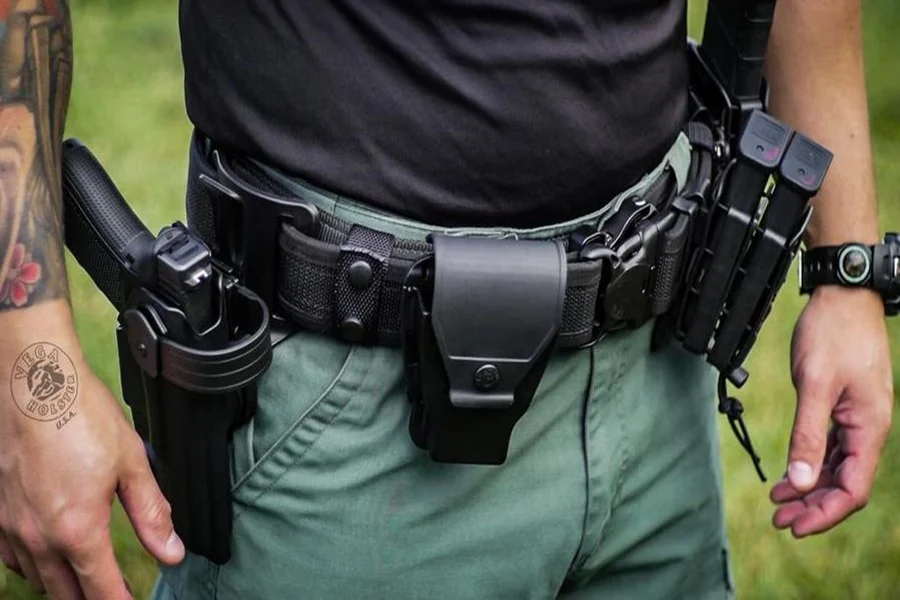
- Choose between chest holsters, belt holsters, or drop-leg options based on comfort and accessibility preferences during hiking.
- Opt for retention systems (such as thumb snaps) that keep the revolver secure while allowing smooth draw when needed.
| Type of Holster | Pros | Cons |
| Chest Holster | Easy access; balances weight evenly | May require adjustment over time |
| Belt Holster | Lightweight; easy to attach | Can obstruct movement |
| Drop-Leg Holster | Accessible even with bulky packs | Less discrete; may snag on vegetation |
Be Mindful of Local Laws
- Some parks prohibit firearms entirely unless explicitly permitted.
- Check hunting restrictions if carrying ammunition suitable for small game—laws regarding seasons and calibers may apply.
Practice Drawing Safely
- Use an unloaded or dummy round-equipped revolver during practice sessions.
- Rehearse smooth draws from your selected carry position while maintaining muzzle discipline.
- Incorporate situational drills simulating potential wildlife encounters without sacrificing safe handling procedures.
By integrating these safety tips into your routine while hiking with a .410 revolver, you’ll balance preparedness with responsible firearm ownership throughout all outdoor adventures.
How to Choose the Right .410 Revolver for Your Needs
Selecting the ideal .410 revolver for your hiking and outdoor adventures requires careful evaluation of your personal needs, preferences, and intended use. Not every model will suit every hiker, so it’s vital to consider key factors to ensure you make the right choice. Below is a guide to help you through the decision-making process.
1. Assess Your Primary Use
Before selecting a revolver, ask yourself how you intend to use it:
– Trail Protection: If protection against wildlife or potential threats is your priority, choose a model designed for ease of handling and reliability under stress.
– Small Game Hunting: For hikers interested in small game hunting, opt for a revolver with good accuracy at short ranges and compatibility with different ammunition types (e.g., birdshot or slugs).
– General Trail Carry: For general carry during hiking excursions, prioritize lightweight designs that won’t weigh you down over long distances.
2. Caliber Versatility
One key advantage of most .410 revolvers is their ability to chamber multiple calibers (e.g., .45 Colt along with .410 shotshells). This versatility can significantly enhance the practicality of your firearm. When selecting a model:
– Look for dual-caliber compatibility if you want flexibility in ammunition choices.
– Ensure that switching between calibers doesn’t affect reliability or accuracy.
| Feature | Benefit | Example Questions To Ask |
| Dual caliber capability | Use both defensive and hunting rounds | Does the revolver handle .45 Colt efficiently? |
| Smooth operation | Reliable cycling between ammo types | Is there any jamming reported in reviews? |
3. Evaluate Weight and Size
Since hiking often involves carrying gear over long distances, weight matters significantly when choosing a firearm:
– Opt for lightweight models made from modern materials like polymer or aluminum alloy frames while still maintaining durability.
– Consider barrel length—shorter barrels are easier to carry but may sacrifice accuracy compared to longer ones.
4. Check Grip Comfort and Ergonomics
A comfortable grip is critical for safe handling during hikes where fatigue can set in after hours of walking:
– Test different grip designs (rubberized grips are excellent for absorbing recoil).
– Ensure that the revolver fits snugly in hand without straining fingers or wrist under recoil.
5. Prioritize Safety Features
Safety mechanisms should never be overlooked when choosing an outdoor carry revolver:
– Look for models equipped with transfer bar safeties or hammer blocks to prevent accidental discharges. – Select designs with reliable cylinder locks to keep everything secure during movement on rugged trails.
6. Set a Budget
Your budget will influence which options are available; however, spending more upfront often ensures better quality and longevity in challenging conditions: – Entry-level options provide basic performance but may lack premium features. – Higher-end models typically include superior craftsmanship, better ergonomics, and enhanced durability suitable for harsh trail environments.
By carefully evaluating these factors—use case, caliber versatility, weight/size balance, ergonomics, safety features, and budget—you’ll be well-equipped to find the perfect .410 revolver tailored specifically to your hiking needs without compromising on performance or practicality.
How to Choose the Right .410 Revolver for Your Needs
Selecting the perfect .410 revolver for hiking and outdoor use requires careful consideration of several factors. Whether you’re preparing for trail defense, small game hunting, or just seeking a versatile firearm, understanding your own needs will guide your choice. Below are some key criteria to evaluate when choosing a .410 revolver that matches your specific requirements.
1. Intended Use
- Trail Defense: If you’re concerned about encountering wildlife such as snakes or predators, a .410 revolver loaded with shotshells can be highly effective.
- Hunting: For small game like rabbits or birds, look for models with better accuracy and the ability to handle both slugs and birdshot.
- Recreational Shooting: If your focus is on versatility and fun at the range, prioritize comfort and ease of reloading.
2. Size and Weight
- Hiking typically demands lightweight gear, including firearms. A bulky or heavy revolver may be cumbersome during long treks.
- Compact options like snub-nose revolvers are ideal for easy carry but often sacrifice accuracy over longer distances.
- Compare weights across models: | Model | Weight | |———————-|——————| | Taurus Judge | ~36 oz | | Smith & Wesson Governor | ~29.6 oz | | Magnum Research BFR | ~72 oz (heavier option) |
3. Capacity
Most .410 revolvers have a cylinder capacity of five to six rounds. Consider whether this is adequate for your intended use: – For trail defense, five rounds may be sufficient. – For hunting or extended outings, carrying additional ammunition may be necessary.
4. Ammunition Versatility
One of the major advantages of .410 revolvers is their ability to chamber multiple types of ammunition: – Many models can fire both .410 shotshells and standard handgun cartridges like .45 Colt or even .454 Casull in some cases. – This versatility increases functionality across different scenarios but may come at a higher price point.
5. Barrel Length
The barrel length directly impacts accuracy and portability: – Shorter barrels (2-3 inches): Easier to carry but less accurate at longer distances. – Longer barrels (up to 6 inches): Improved accuracy but slightly heavier for hiking purposes.
6. Grip Comfort
A comfortable grip is essential when using your firearm over extended periods: – Rubberized grips are ideal if you expect slippery conditions like rain or sweat while hiking. – Wood grips offer durability but might lack traction in wet environments.
7. Safety Features
Safety during outdoor activities cannot be overstated: – Look for features such as transfer bar mechanisms that prevent accidental discharge if dropped. – Models with manual safeties can offer additional peace of mind.
Practical Tips When Choosing
Once you’ve outlined what’s important based on the above factors, try these steps before making a purchase: 1. Visit local gun stores where you can handle different models in person. 2. Test-fire potential options if possible through rental ranges that offer similar firearms. 3. Research reviews from trusted sources focusing on reliability under rugged conditions.
Choosing the right .410 revolver isn’t just about finding something “off-the-shelf.” It’s about aligning the firearm’s features with how you plan to use it outdoors—balancing portability, performance, and personal preference effectively will ensure it becomes an invaluable tool during any hike or outdoor adventure.